Living Transitions
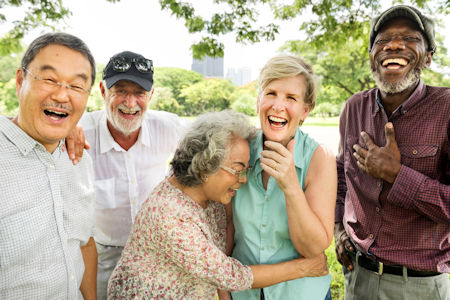
Maintaining relationships as you age
Even the biggest introvert needs some social interaction. Connections with people can gradually get lost over time. Children growing up results in the loss of interacting with other parents, coworkers gradually lose touch after retirement, and neighbors and friends move away or die.
Social isolation may cause depression, decreased physical activity, and can results in the "dwindles", a medical condition describing and elderly person's withdrawal from life. Intentionally maintaining social connections can keep you healthier and happier, which makes it more likely you will be able to age at home.
Create a plan for how you will maintain social connections over time
- Volunteer. In addition to activities you enjoy, consider activities that will expose you to younger people. Tutoring at risk children or teenagers or volunteering at schools or sporting events are great ways to meet people of various ages.
- Visit senior centers or senior day care facilities. Over time, you may need to use these services and experiencing them in advance through volunteer activities will ease the transition.
- Stay fit. Many athletic and road running events have senior divisions. You don't even have to run! Not enough seniors participate and you may even win a medal in your age group because of it.
- Take continuing education classes. Many universities and community colleges allow seniors to participate in classes for free.
- Get a fun part time retirement job. Find something low key and easy to do that provides interaction with others.
- Learn to use computers, make video calls, and use social media such as Facebook safely. This opens a new world during the times you may find it difficult to get out of your home.